


 By neha - June 25, 2026
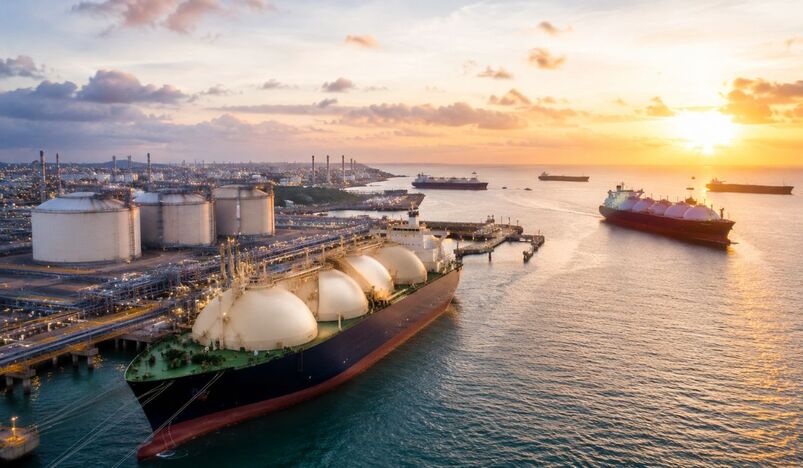
Global natural gas markets are finally showing signs of relief. Qatar has started restoring liquefied natural gas production. The Strait of Hormuz has reopened after weeks of dangerous disruption.
The head of the Gas Exporting Countries Forum (GECF) spoke at the Reuters Global Energy Forum on June 24, 2026. Philip Mshelbila told attendees that markets should begin stabilizing in Q3 2026. He said natural gas flows will likely reach pre-war levels by Q4 2026.
The GECF represents producer nations holding up to 70% of the world's natural gas reserves. That makes this forecast significant for buyers and traders worldwide.
What Caused the Disruption
The Middle East conflict triggered a severe shock to global LNG supply. Iran struck Gulf neighbors after the United States and Israel targeted Iranian energy infrastructure.
Qatar took serious damage at its Ras Laffan LNG facility. That facility is the heart of Qatar's export operations.
Qatar declared force majeure on LNG contracts. That move halted billions of dollars in scheduled deliveries. The Hormuz blockade made things worse by cutting off a critical shipping lane. Both disruptions hit at the same time and shook global energy markets hard.
What Qatar Is Doing Now
Qatar's prime minister confirmed earlier this week that LNG production will recover within weeks. The caveat is the damaged sections of Ras Laffan. Those sections will take longer to repair. But the undamaged portions have already resumed output. Exports are moving again through the Strait.
QatarEnergy has not issued a full timeline for complete restoration. However, the signal from government leadership is clear. Qatar wants supply back to normal as quickly as possible.
How This Affects Natural Gas Prices
The Middle East war drove natural gas prices to their highest point since 2022. European buyers felt the biggest squeeze. Europe lost Russian pipeline gas after the Ukraine conflict. It turned heavily to LNG imports to fill that gap. Qatar became one of Europe's top LNG suppliers.
When Ras Laffan went offline, Europe scrambled for alternatives. U.S. LNG stepped in but commanded premium prices. Asian buyers competed for the same limited cargoes. Spot prices surged and stayed elevated for weeks.
Now that Qatar restores LNG output, the supply picture improves. Analysts expect spot prices to fall through Q3 and Q4. Buyers with long-term contracts will benefit first. Spot market buyers should see relief follow soon after.
What GECF Says About the Road Ahead
Mshelbila laid out a clear two-stage recovery view. In Q3 2026, markets start rebalancing. In Q4 2026, gas flows return to pre-war volumes. He tied the outlook directly to whether Hormuz stays open. A renewed closure would derail the recovery quickly.
The GECF does not set prices. But it monitors and analyzes natural gas markets globally. When its secretary-general speaks, energy markets pay attention.
Why This Matters for Europe
Europe entered this crisis more exposed than it wanted to be. Storage levels were not strong enough to absorb a long disruption. The price surge hit consumers and industries across the continent.
A faster Qatar recovery gives European utilities room to refill storage before winter. It also reduces the pressure on U.S. LNG export terminals, which have been running at near-maximum capacity. That takes some heat off American domestic gas prices too.
Key Takeaway
Qatar's LNG recovery marks a turning point for global energy markets. The Strait of Hormuz staying open is the single most important variable. If it does, Q3 will bring stabilization. Q4 will bring a fuller supply recovery. Prices should fall in line with that trajectory.
Energy traders, utility companies, and industrial gas users should watch Qatar's output data closely over the next several weeks. The direction is positive. The pace of the recovery depends on factors still unfolding in the Gulf.



_20-08-2026_05-08.jpg)
_27-51-2026_11-51.png)
_27-43-2026_12-43.png)


.jpg)
.jpg)
.jpg)

.jpg)
.png)
.jpg)







Leave a comment